

How PT Helps Prevent Shoulder and Elbow Injuries
Headed to the Baseball or Softball Field? Spring Training Starts Now!
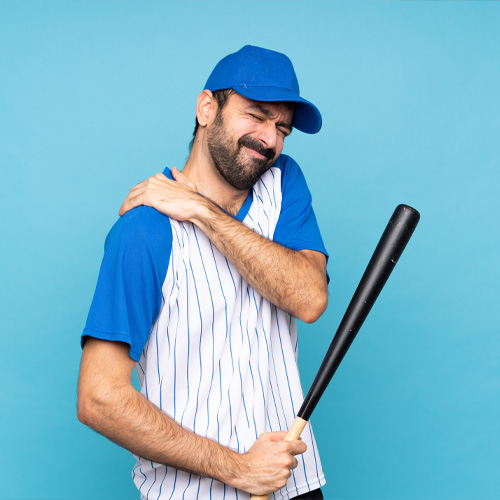
With the spring sports seasons just around the corner, now’s the time to get a head start on your pre-season training–and that’s especially true if you’re a throwing athlete! Sports like baseball, discus, or even frisbee golf can all put a great deal of stress on your shoulder and elbow.
That said, most injuries in the upper extremity don’t occur on opening day. Instead, they develop quietly during early training, long toss sessions, and sudden increases in workload. It’s important to prepare your body to handle these demands before pain or injury forces you to the bench. And that’s where the team at First Colony Aquatic and Rehabilitation Center can help.
Why Throwing Puts the Shoulder and Elbow at Risk
It may surprise you, but throwing is actually one of the most demanding motions in sports. It’s a complicated movement that requires the arm to move at high speed while repeatedly absorbing large forces. If any part of the system breaks down, stress shifts to places that aren’t built to handle it.
Some of the throwing-related injuries we see include:
- Rotator cuff strain, where the small stabilizing muscles in the shoulder become overloaded or fatigued
- Labral irritation, where the cartilage ring that helps stabilize the shoulder becomes stressed
- Elbow sprains, which occur when one of the elbow ligaments absorbs too much force
These problems typically don’t occur as a sudden injury. Instead, you’ll notice lingering tightness, fatigue, or soreness in the affected area. Ignoring these signs is one of the fastest ways to miss a season.
Stopping an Elbow or Shoulder Injury Before It Happens
Physical therapy isn’t just for rehab after an injury. Our team can play a significant role in preventing injuries and enhancing your overall performance. We’ll help you:
- Identify strength and mobility deficits early
- Improve how forces move through your body
- Increase tissue tolerance to repeated throwing
- Learn how to recover faster between sessions
To accomplish these goals, we often focus on three key areas to ensure your upper extremities are ready for the demands of the season.
Shoulder Stability: The Base of a Healthy Throw
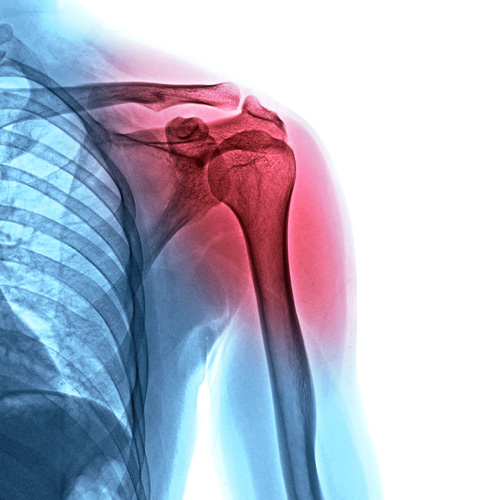
Your shoulder blade controls how your arm moves and how force is transferred. When it lacks control, your rotator cuff works harder than it should and your elbow absorbs more force. As a result, the entire upper extremity can become fatigued more easily, setting you up for an injury.
To help, we’ll guide you through targeted exercises focused on improving precision, endurance, and coordination in your arms.
Full Body Strength: Everything’s Connected
Throwing relies on a chain of movement that starts from the ground up:
- Your legs generate power
- Your core transfers force
- Your shoulder accelerates the arm
- Your elbow and wrist guide the throw
This means that if there’s a problem in your core or hips, your elbow might pay the price. Our team takes a whole-body approach that emphasizes targeted strengthening where you need it most.
Mobility: The Right Amount Matters
Throwing athletes often lose mobility in key areas, which forces the arm to compensate in unhelpful ways. For example, limited internal rotation in your shoulder can increase strain on both the shoulder and elbow, while a stiff upper back limits rotation and follow-through.
We’ll use manual therapy techniques and targeted stretching and mobility drills to address these restrictions, allowing for smoother, safer throwing mechanics.
What Our Pre-Season PT Programs Look Like
At First Colony Aquatic and Rehabilitation Center, we work closely with you to develop a structured, personalized program tailored to your specific needs. You can generally expect the following:
- Movement screening to identify risk factors
- Strength training focused on endurance and control
- Throwing-specific drills
- Gradual workload progression
- Education on recovery and training volume
This approach helps you build resilient shoulders and elbows, reduce injury risk, and improve overall efficiency and control. Most importantly, you’ll have the confidence in knowing you’re performing at your best.
Train Now So You Can Compete Later
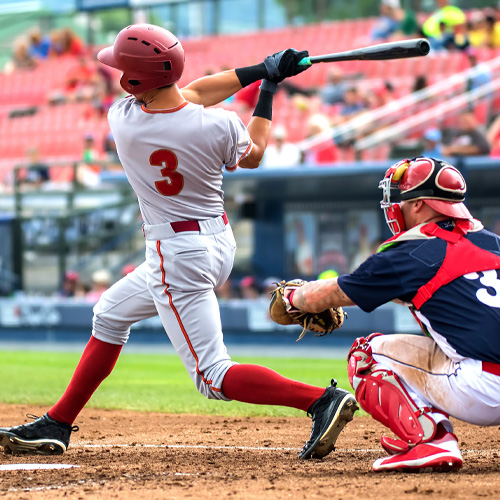
It’s important to remember that you don’t need to be in pain to visit us for an appointment. We like to focus on preventing shoulder and elbow issues, which helps you avoid downtime during the season.
Spring training doesn’t start with the first practice but with preparing your body to handle what’s coming, and the team at First Colony Aquatic and Rehabilitation Center is here to guide you through the process. Call us today to get started.

Return to PT at First Colony!
Miss feeling your best? Come back to First Colony Aquatic and Rehabilitation Center & Sports Therapy Center and let us help you get there—schedule your appointment today!
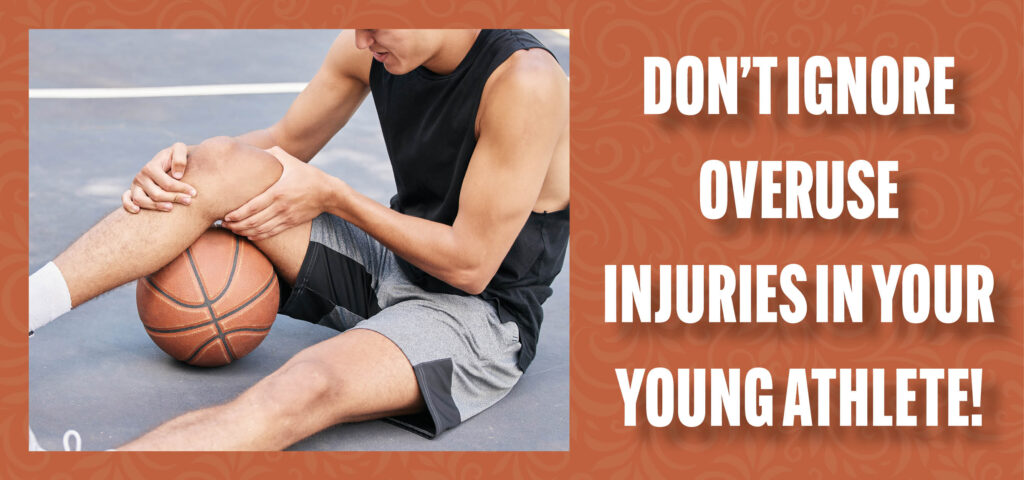
Many parents focus on acute sports injuries: big, dramatic traumas like a broken bone or torn ACL. However, it’s also important to focus on overuse injuries. These injuries build over time and often fly under the radar, as it’s easy to dismiss them as run-of-the-mill soreness. But they often contribute to more serious injuries, so it’s essential to catch them early.
Five Overuse Injury Warning Signs To Watch Out For
1. Pain That Lingers After Practice
Ongoing pain often indicates that tissues are being stressed more rapidly than they can recover. The following are major red flags for overuse injuries:
- Soreness that lasts more than 48 hours
- Sharp or aching pain during warm-ups
- Pain that worsens during exercise or activity
- Recurring pain every time your child plays
2. Noticeable Loss of Strength or Control
- Throws look weaker or less accurate
- Movements appear awkward or unsteady
- Your child avoids certain motions or favors one side without saying why
3. Declining Performance
Certain changes can reflect underlying strength or mobility limitations, such as:
- Reduced speed, endurance, or coordination
- Fatigue that sets in much earlier than usual
4. Changes in How Your Child Moves
Movement changes indicate your child is compensating for an area that feels painful or restricted. Furthermore, these changes place additional stress on other joints and increase the risk of injury, so it’s essential to have them checked out. Look for:
- Limping or altered running mechanics
- Changes in throwing or jumping form
5. Longer Recovery Between Practices
- Your child needs extra rest days to feel “normal.”
- They complain that back-to-back practices are overwhelming.
Don’t Wait for a Season-Ending Injury
If you do suspect your child has an overuse injury, First Colony Aquatic and Rehabilitation Center can help! Our team will conduct a comprehensive assessment to identify the cause of their symptoms and develop a customized plan to prepare them for competition.
Contact us today to learn more.
Patient Testimonial
“Very professional and knowledgeable in their approach in regards to physical therapy and improvement. I had Sean initially, then Duc/Duke has been my consistent coach. What an awesome team. Thanks! I started using pool rehab. Wowowie! The staff are all also awesome!! Thanks!”
-Maggie C.



Healthy Recipe
Valentine’s Day Rose Latte
This Valentine’s Day Rose Latte recipe is a cozy, romantic drink that blends creamy comfort with delicate floral sweetness. It’s the perfect way to treat yourself—or someone you love—to a beautiful and relaxing moment.
Ingredients:
- 2 1⁄2 cups Unsweetened Plant-Based Milk
- 1 tbsp + 1 tsp Maple Syrup
- 1 tsp Beet Powder
- 1 tsp Vanilla Extract
- 2 tsp Rose Water
Optional:
- 1⁄2 tsp Ground Cardamom
- 2 Espresso Shots
Directions:
- Add the unsweetened plant-based milk, maple syrup or agave, beetroot powder, and cardamom (if using) to a small pot over low heat.
- Heat on low for about 5 minutes or until warmed to your liking, stirring frequently. Then take off the heat and stir in the vanilla extract & rose water.
- Pour the espresso shot into your mug (if using). If you have a milk frother, use it to froth the plant-based milk mixture (this is optional too).
- Pour the rose milk latte into your mug and top with dried rose petals and an extra dash of cardamom if you like. Enjoy!
Follow Us on Social Media!

Share Your Success Story
Love your experience with First Colony Aquatic and Rehabilitation Center & Sports Therapy Center? Click the button to leave us a Google review—your feedback helps others find the care they need!
Thank you for subscribing to First Colony Aquatic and Rehabilitation Center & Sports Therapy Center
Refer a Friend

Our purpose at First Colony Aquatic and Rehabilitation Center & Sports Therapy Center is to leave a greater impact on the community around us. In order to achieve our goal we want to change as many lives as possible as we become a beacon of positivity in our community.