
Injured on the Slopes? Physical Therapy Can Help

As winter kicks into gear, it’s time to pull out your skis and snowsuits and head to the mountains. Millions of Americans love to hit the slopes, and for good reason: skiing is an exhilarating way to exercise during the coldest, darkest part of the year.
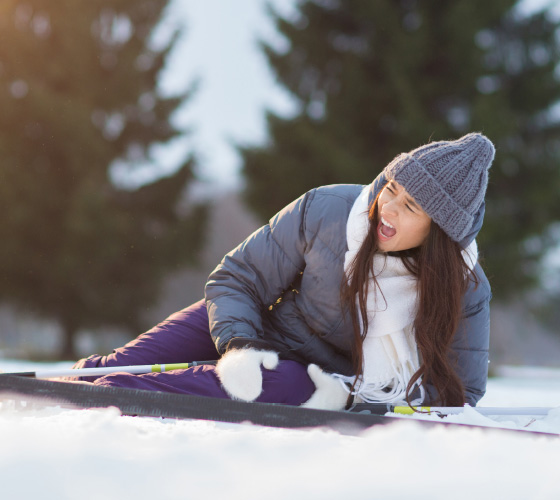
Unfortunately, ski injuries can happen even to the most experienced skier. The most common skiing injuries by far are injuries to the ligaments in the knee–usually either the ACL (anterior cruciate ligament) or MCL (medial collateral ligament). At First Colony Aquatic and Rehabilitation Center & Sports Therapy Center, we can help address these injuries and provide guidance on preventing them.
Before you head up to your favorite ski resort this year, schedule an appointment to get into skiing shape. And if you do have an accident on the slope, we’re here to get you back on your feet.
To learn more, call to talk with our friendly staff today!
Recognizing Knee Ligament Tears on the Slopes
A knee ligament tear also goes by another, more common name: a knee sprain. Sprains can vary in severity depending on how much of the ligament is damaged:
- A mild sprain occurs when you overstretch the ligament, leading to tiny tears in the tissue. You’ll experience some tenderness and discomfort.
- A moderate sprain occurs when you partially tear the ligament, leading to pain and visible swelling.
- A severe sprain occurs when the ligament completely ruptures, leading to pain, significant swelling, and instability in your knee joint.
- ACL tears are the most common type of knee sprain among skiers. These injuries often result from abrupt pivoting, turning, or stopping–all common movements in both skiing and snowboarding. In addition to the symptoms above, you might hear an audible pop during your injury.
- MCL tears aren’t quite as common, but they still happen. This type of knee sprain generally occurs during a fall, a result of one leg falling on top of another. In fact, ski-related falls can also lead to other non-knee-related injuries, such as wrist fractures, shoulder injuries, or even head injuries.
How Physical Therapy Helps Resolve Skiing Injuries
Because most skiing injuries are orthopedic, physical therapy generally plays a role in rehabilitating them. Depending on the nature of your injury and its severity, you may have to undergo surgery–but in many cases, physical therapy alone is enough to get you back in skiing shape.
We’ll start with a comprehensive evaluation to help us better understand your rehabilitation needs, including running several movement screens to test your range of motion, strength, and balance. We’ll also talk to you about your injury and symptoms.
From there, we’ll develop a customized treatment plan to get you back to the activities you love. While each plan is different, they generally follow this approach:
- Manage pain and work on restoring mobility through manual therapy techniques and targeted stretches
- Restore strength in the muscles surrounding your knee to ensure you’re stabilizing and supporting your joint
- Work on any functional movements you might struggle with (such as improving balance)
- Provide a return-to-activity schedule so you can safely return to the activities that matter most
The Best Treatment for Skiing Injuries? Prevention!
Of course, one of the best ways to address a skiing injury is to prevent one from occurring in the first place, and First Colony Aquatic and Rehabilitation Center & Sports Therapy Center can help you with that, too. In fact, if you’re headed out to ski for the first time (or after a long time away), we suggest you visit us for a ski-focused checkup.
First, we’ll run a detailed assessment to pinpoint muscular weaknesses or imbalances, faulty biomechanics, or other issues that might put you at a higher risk of an injury on the slopes–including things you might not have considered!
Next, we’ll provide a tailored exercise program that addresses these concerns and helps you make the most of your vacation.
Finally, we can offer expert tips and tricks to keep you as safe as possible while you’re on the slopes, such as ensuring your equipment fits correctly and offering suggestions about which ski trails would be a good fit for your abilities.
We’re Here For You This Winter!
Don’t let a skiing injury ruin your new year. Call First Colony Aquatic and Rehabilitation Center & Sports Therapy Center to schedule an appointment for a check-up or learn more about our rehabilitation services!
Our Patients Get Great Results
“An excellent facility with a wonderfully patient and efficient office staff and angels for physical therapists! Megan has seen me through several foot surgeries and guided me back to walking normally. She is kind, thoroughly knowledgeable, and encouraging–simply great. I cannot say enough good. Thank you, Megan and First Colony Aquatic and Rehabilitation Center!”
-A.A.

9 Nutrition Tips for Christmas
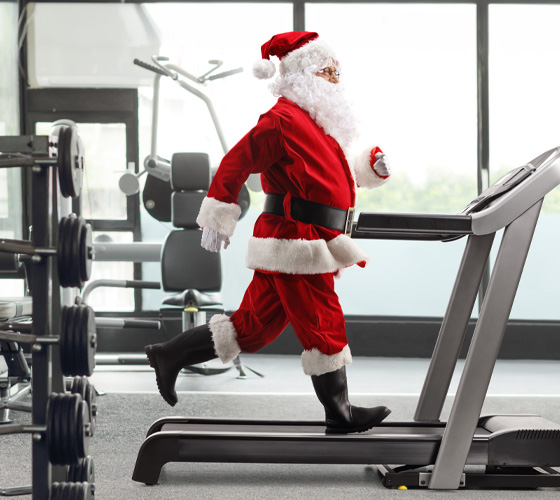
With the hustle and bustle of the holidays, it is easy to skip your regular exercise routine or reach for some less-than-healthy treats. But don’t panic. Here are 9 Nutrition Tips for Christmas to help you stay focused, on track, and healthy this holiday season!
1: Don’t skip all of your favorite holiday treats; just consume smaller portions of them.
2: Offer to bring a favorite low-calorie dish to holiday parties so you can enjoy it.
3: Don’t try to lose weight during the holidays. Focus on weight maintenance.
4: Limit your intake of alcohol and other high calorie drinks such as eggnog and punch. Instead choose water, tea, or calorie-free beverages.
5: Make an effort to maintain your regular exercise program throughout the holidays.
6: Eat a small meal or snack before arriving at a holiday party. This will keep you from being overly hungry resulting in overeating.
7: Eat slowly! It takes your stomach 20 minutes to realize it is full.
8: Leave fresh fruit around the house to decrease the urge to pick on holiday sweets.
9: Make traditional holiday recipes with low-fat substitutions to decrease the calorie and fat content: substitute oil or butter with applesauce, use low-fat creams and milks, use herb to add flavor instead of fat.


Return to PT at First Colony!
Miss feeling your best? Come back to First Colony Aquatic and Rehabilitation Center & Sports Therapy Center and let us help you get there—schedule your appointment today!
Exercise of the Month
Standing Waiter’s Bow with Weights
Start by standing up straight with your arms hanging by your sides and a dumbbell in one hand. Place your other hand on your lower back to monitor your muscle activation. Slowly hinge forward at your hips keeping your back flat until you are at the point where your back will round if you go any further. Allow your weighted arm to hang forward as you hinge. Slowly hinge back up. 3 sets, 10 reps, hold.


Seasonal Recipe
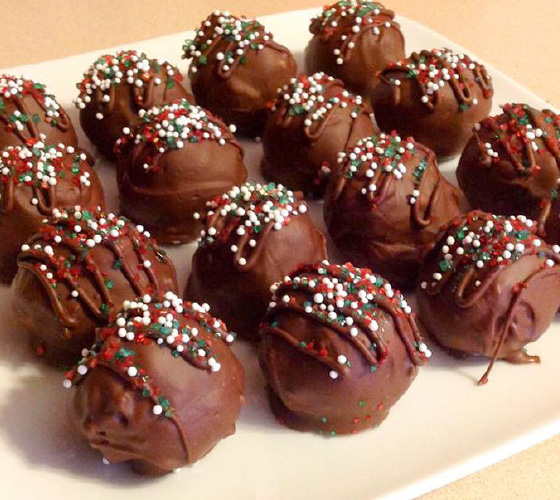
Coconut Bonbons
Ingredients:
- ¼ cup butter
- 1 pound confectioners’ sugar
- 1 cup sweetened condensed milk
- 2 cups flaked coconut
- 9 (1-ounce) squares semisweet chocolate
- 2 tablespoons shortening
Directions:
Mix butter, confectioners’ sugar, and sweetened condensed milk together in a medium bowl; mix in coconut.
Roll dough into 1 inch balls; refrigerate until set, about 1 hour.
Melt chocolate and shortening over a double boiler, stirring occasionally until smooth. Remove from heat when melted, and stir to make sure the shortening is fully incorporated.
Use toothpicks to hold the balls and dip them in the melted chocolate. Set on wax paper to dry.
Follow Us on Social Media!

Share Your Success Story
Love your experience with First Colony Aquatic and Rehabilitation Center & Sports Therapy Center? Click the button to leave us a Google review—your feedback helps others find the care they need!
Thank you for subscribing to First Colony Aquatic and Rehabilitation Center & Sports Therapy Center
Refer a Friend

Our purpose at First Colony Aquatic and Rehabilitation Center & Sports Therapy Center is to leave a greater impact on the community around us. In order to achieve our goal we want to change as many lives as possible as we become a beacon of positivity in our community.