

Is Your Sacroiliac Joint Causing Your Lower Back Pain?

One of the reasons back pain is such a common medical complaint (most people will experience it at least once in their lives) is because it has so many different potential causes. Most people are familiar with the common ones, like a strained back muscle or herniated disc.
But sometimes, back pain isn’t really back pain–at least not how we generally conceive it. While you might experience pain or discomfort in your lower back, the actual source of the pain might be a little lower, in your sacroiliac joint.
At First Colony Aquatic and Rehabilitation Center & Sports Therapy Center, our team of physical therapists understands that the best way to resolve back pain is to determine where that pain is coming from. Thanks to our comprehensive assessments, we can help you determine if your lower back pain is actually a symptom of problems with your sacroiliac joint –and then provide you with a targeted treatment to help resolve it.
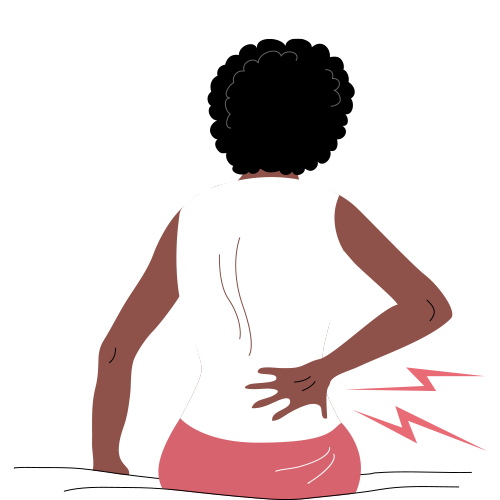
The Sacroiliac Joint: What It Is and What Can Go Wrong
The sacroiliac (SI) joint connects your spine to your pelvis. You have two of them, one on each side. They’re connected to the sacrum, a small triangular bone at the base of your spine.
The SI joints allow you to transfer weight between your upper and lower body. However, the joints themselves don’t move all that much, and they’re located fairly deep in your pelvic structure, surrounded by strong ligaments and muscles.
There are two reasons why your sacroiliac joint might cause your pain:
- Sacroiliac joint dysfunction occurs due to biomechanical issues in your SI joint. It’s particularly common during pregnancy, as the sacroiliac joint is “loosened up” in preparation for childbirth (hypermobility). However, an overly restricted sacroiliac joint can also cause issues (hypomobility).
- Sacroiliitis refers to an SI joint inflammation due to osteoarthritis, hormonal changes during pregnancy, or injury.
Both conditions can cause similar symptoms. The biggest difference between the two is the presence of inflammation, as there are no inflammatory processes with SI joint dysfunction.
Issues with Your SI Joint? How to Tell
It can be difficult to determine if you’re struggling with SI joint issues or lower back pain, as they can cause similar symptoms. If you’re struggling with any pain or discomfort in your back or buttocks, your best bet is to schedule an appointment with our physical therapists. We can help you get to the bottom of things.
That said, here are some of the common signs of SI joint issues:
- You experience pain directly over your buttocks.
- The pain seems to stem from deep inside your body.
- You’ll notice pain when sitting, lying down, or climbing stairs. In fact, you may have trouble sitting for long periods due to the pain.
Treating SI Joint Pain: What To Expect
We’ll begin with a comprehensive physical exam to help us determine the exact source of your pain, including confirming if the SI joint is involved at all. Once we understand your unique situation, our experts will develop your customized treatment program. Here’s what you might expect:
- Pain Management: We’ll find a solution that suits your needs. Spinal mobilizations and other manual therapy techniques can help if your pain stems from immobility. Hot and cold therapy can help manage pain and inflammation.
- Mobility Exercises: If applicable, we can guide you through targeted exercises to improve the flexibility and mobility in your SI joint.
- Strengthening Exercises: One of the best ways to address SI pain is to strengthen your core and gluteus muscles, both of which support and stabilize the SI joint. Our therapists will develop an exercise program appropriate to your needs and ensure you perform all exercises correctly.
- Prevention Tips: Finally, we’ll work with you to help you adopt a physically active lifestyle, which can help reduce and prevent SI dysfunction.
What’s Causing Your Back Pain?
You don’t have to put up with persistent pain, whether it’s in your back, buttocks, or radiating down your leg! The physical therapists at First Colony Aquatic and Rehabilitation Center & Sports Therapy Center will dig down deep to determine the underlying source of your pain, no matter what it is.
Ready to get started? Call us to schedule an appointment today!
Our Patients Get Great Results
“If you are in need of physical therapy I highly recommend First Aquatic and Rehabilitation in Sugar Land. I have been receiving PT for 5 weeks; twice per week for a total hip replacement I had. Yen has been my therapist almost the entire time and I have truly enjoyed her. Yen is very knowledgeable, kind and sweet, easy to work with, and shows compassion for you as you are trying to recuperate. I really like their app where they are able to link all the exercises for you to do at home to help your recovery progress.
I’m sure the other therapists are great, but I do give high praise to Yen. Thanks!”
– C.S.


3 Ways to Practice Gratitude
Did you know that being grateful is actually good for your health? It’s true!
We all love Thanksgiving for the excellent food, football, and time spent with family, but truthfully, this holiday means much more. Practicing gratitude can lead to greater happiness all year long.
According to Harvard Health Publishing, “Gratitude helps people feel more positive emotions, relish good experiences, improve their health, deal with adversity, and build strong relationships.”
If you want to implement more gratitude in your own life, take a look at these 3 tips.
1. Write thank you letters
Remember writing thank you letters? How long has it been since you wrote one? You don’t need to have a wedding, graduation, or other big life event to thank the people in your life. Try writing thank you letters to your friends and family for the little things– you’ll be surprised at how good it feels!
2. Write down what you are grateful for everyday
This might sound intimidating, but it doesn’t have to be! Take a few minutes each morning or evening to write down at least 3 things that you are grateful for in your life. This repeated action helps us shift into a more positive mindset and can help fight symptoms of depression and anxiety.
3. Use visual reminders
It can be hard to remember to practice gratitude. With your hectic schedule, sometimes it can feel impossible to sit down, take a moment to breathe, and reflect on your blessings. Visual cues can be a great tool for reminding us to take a beat.
Something as simple as sticky notes, a poster, or even your home screen on your phone or laptop can help us remember to slow down and shift to a positive mindset.
Return to PT at First Colony!
Miss feeling your best? Come back to First Colony Aquatic and Rehabilitation Center & Sports Therapy Center and let us help you get there—schedule your appointment today!
Exercise of the Month
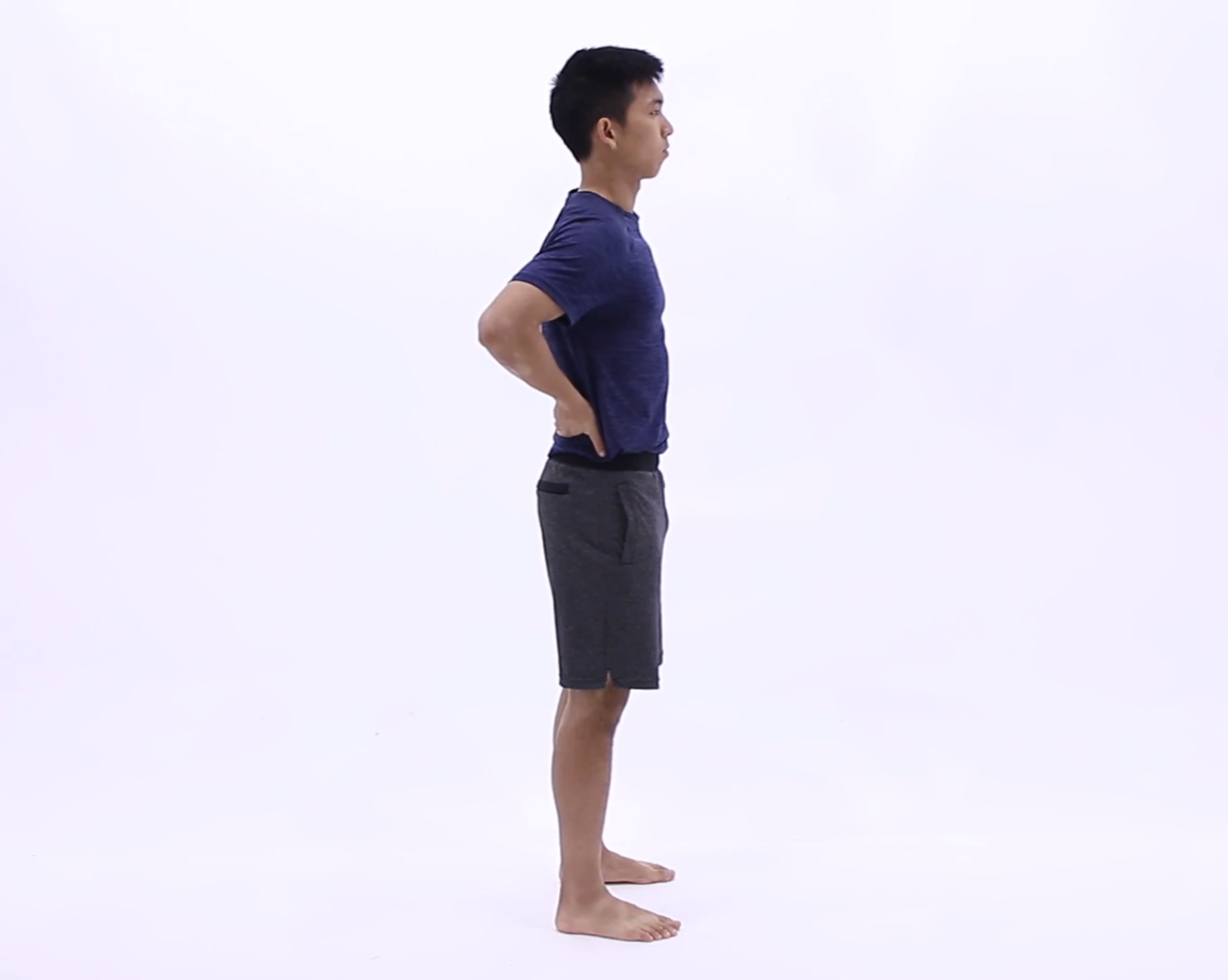
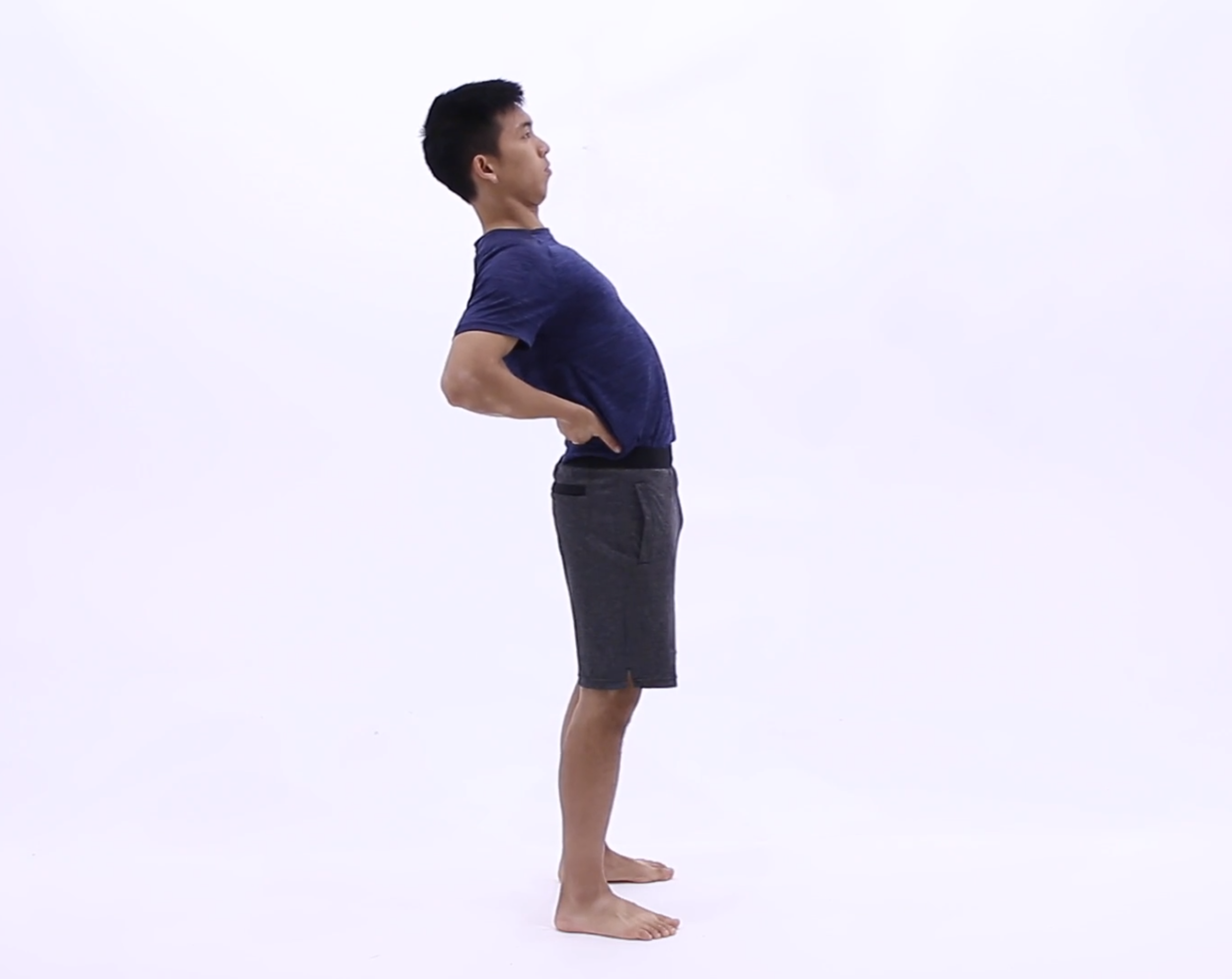
Lumbar Extension
Start by standing up straight. Place both hands on your lower back and press forward gently as you lean back to extend your back. Pause briefly. Repeat 3 sets, 10 reps each.

Follow Us on Social Media!

Share Your Success Story
Love your experience with First Colony Aquatic and Rehabilitation Center & Sports Therapy Center? Click the button to leave us a Google review—your feedback helps others find the care they need!
Delicious Recipe:
Sausage and Herb Stuffing
- 16 cups 1-inch bread cubes, white or sourdough (1 1/2 pound loaf)
- 8 tablespoons (1 stick) unsalted butter
- 2 cups medium-diced yellow onion (2 onions)
- 1 cup medium-diced celery (2 stalks)
- 2 Granny Smith apples, unpeeled, cored and large-diced
- 2 tablespoons chopped flat-leaf parsley
- 1 tablespoon kosher salt
- 1 teaspoon freshly ground black pepper
- 3/4 pound sweet or spicy Italian sausage, casings removed
- 1 cup chicken stock
- 1 cup dried cranberries
Preheat the oven to 300 degrees F.
Place the bread cubes in a single layer on a sheet pan and bake for 7 minutes. Raise the oven temperature to 350 degrees F. Remove the bread cubes to a very large bowl.
Meanwhile, in a large saute pan, melt the butter and add the onions, celery, apples, parsley, salt and pepper. Saute over medium heat for 10 minutes, until the vegetables are softened. Add to the bread cubes.
In the same saute pan, cook the sausage over medium heat for about 10 minutes, until browned and cooked through, breaking up the sausage with a fork while cooking. Add to the bread cubes and vegetables.
Add the chicken stock and cranberries to the mixture, mix well, and pour into a 9 by 12-inch baking dish. Bake for 30 minutes, until browned on top and hot in the middle. Serve warm.
Thank you for subscribing to First Colony Aquatic and Rehabilitation Center & Sports Therapy Center
Refer a Friend

Our purpose at First Colony Aquatic and Rehabilitation Center & Sports Therapy Center is to leave a greater impact on the community around us. In order to achieve our goal we want to change as many lives as possible as we become a beacon of positivity in our community.