


Off-Season Training: Protecting Athletes from Back Injuries
The off-season can bring a welcome break from competition, but resting too much can set you up for an injury when you jump back into training. That’s especially true for injuries in the back.
It might surprise you, but back pain is one of the more common problems we see in both youth and adult athletes here at First Colony Aquatic and Rehabilitation Center & Sports Therapy Center. The reason? The spine is the central force behind every move you make, whether you’re swinging a golf club, throwing a football, or smashing that deadlift.
When the back becomes weak, tight, or improperly aligned, your performance and long-term health are at risk. And with inactivity being a primary source of spinal dysfunction, you can see why it’s important to keep up your training all year-round.

A Closer Look at Why Back Injuries Happen in Athletes
Regardless of the sport you participate in, athletic training and competition subject the spine and surrounding muscles to repeated stress. Over time, that stress can cause irritation, strain, or structural changes that lead to pain and lost playtime. Several factors contribute to this stress, including the following:
Poor Core Stability
- Weak abdominal, oblique, or hip muscles force the lower back to take on more load.
Muscle Imbalance
- Overdeveloped front-body muscles and underused stabilizers create uneven tension around the spine.
Repetitive Movement
- Repetitive movements, such as throwing, twisting, or bending in the same way, can wear down spinal joints and intervertebral discs.
Sudden Increases in Training Intensity
- Rapid changes in training volume or load (like starting preseason training after being sedentary during your break) can outpace what the spine can safely handle.
Faulty Movement Mechanics
- Technique errors during lifting, running, or jumping can add stress to the back.
Protect Your Spine This Off-Season with First Colony Aquatic and Rehabilitation Center & Sports Therapy Center
The off-season is a great time to address these various risk factors. We suggest kicking things off with an assessment with our PTs. We can assess your strength, mobility, and biomechanics to create a personalized program tailored to address the issues affecting you. Here are some of the things we might suggest:
1. Strengthen Your Core
A strong core doesn’t just mean visible abs. It includes the deep stabilizing muscles of the trunk, hips, and pelvis—all muscles that allow the spine to move efficiently and resist overload.
Our team can test your core strength and recommend targeted exercises that fit your needs, such as planks or side bridges to train control and endurance, or dynamic stability drills that teach the body to stabilize under motion.
2. Improve Mobility
Tight hamstrings, hip flexors, and stiffness in your mid-back can lead to poor spinal motion. Restoring mobility in these prevents compensation patterns that strain the lower back.
We can guide you through active stretches or hands-on manual therapy techniques to help improve motion and relieve tension. You might also benefit from aquatic therapy exercises in warm water, which unloads the spine while allowing for controlled movement.
3. Build Stability in Motion
Real-world athletic performance depends on coordination and balance. The off-season is the best time to sharpen these skills with dedicated training. For example, we can analyze your running or jumping patterns to identify areas that need correction.
We can also guide you through neuromuscular rehabilitation exercises, which teach muscles and nerves to work together efficiently and improve control during rapid movement.
4. Address Small Problems Early
Low-level stiffness, soreness, or fatigue can signal weakness or overuse. Don’t ignore these signs. Our physical therapists can help you understand what’s causing them and provide you with a personalized treatment plan to address them before they grow into a full injury.
5. Plan for Gradual Load Progression
Many athletes jump back into high-intensity training too soon. A good transition from the off-season to the pre-season means gradually reintroducing your workout load, allowing your spine and supporting muscles time to adapt.
We can help build a progressive schedule tailored to your needs, including proper recovery sessions between high-load training sessions.
Schedule An Appointment To Get Started

First Colony Aquatic and Rehabilitation Center & Sports Therapy Center combines land-based and aquatic programs to support every stage of an athlete’s recovery and performance. By investing time in off-season training and physical therapy, you protect your back, preserve your strength, and prepare for a stronger season ahead.
Contact us today to schedule your initial consultation and make the most of your off-season!

Return to PT at First Colony!
Miss feeling your best? Come back to First Colony Aquatic and Rehabilitation Center & Sports Therapy Center and let us help you get there—schedule your appointment today!


The holiday season is upon us, and getting wrapped up in the fun, festivities, and food is easy. While the joy of the season sparks a feeling of goodwill towards others, it’s also important to remember our physical well-being.
Keep yourself feeling your best to enjoy the holidays by following these three tips:
Remember to Move: Prioritize exercise by taking a 20-minute brisk walk or doing a home workout. Movement can do wonders for your physical and mental well-being.
Eat with Moderation: With tempting holiday treats all around, balance sweets with wholesome meals that include fruits, vegetables, and lean proteins.
Mind Your Posture: Whether cooking, wrapping gifts, or working from home, being aware of your posture helps minimize back and neck pain.
Prioritizing your physical well-being helps you to be present and active in celebrating the holiday season with loved ones!
Here’s to a healthy, happy holiday season and a fantastic new year ahead!

Patient Success Story
“This is the best group of physical therapists I have ever worked with. The progress I made was impressive and they always worked well to accommodate my needs. After care became.and is my happy place. I love everyone on the team.”
-Pam V.
Service Spotlight: Dry Needling
Functional Dry Needling is a medical technique performed by our skilled physical therapists in Sugar Land & Rosenberg, TX to immediately reduce pain, muscle tension and improve mobility. It is used in a variety of musculoskeletal problems including, but not limited to: acute or chronic injuries, headaches, neck pain, back pain, tendinitis, muscle spasms, sciatica, hip or knee pain, muscle strains, fibromyalgia, tennis or golfer’s elbow, overuse injuries, and much more.

Healthy Recipe
Gluten-Free Chocolate Ganache Tart
Indulge in this rich, decadent Gluten-Free Chocolate Ganache Tart — a dessert that’s as elegant as it is irresistible. Perfect for sharing (or not!), it’s a sweet way to treat yourself without the gluten.
Ingredients:
- 1 cup shredded sweetened coconut
- 1 cup salted gluten-free pretzels, crushed into small pieces
- 1/2 cup rice flour
- 1/2 cup coconut oil, melted
- 3 Tbsp. brown sugar
- 2 Tbsp. unsweetened cocoa
- 1 cup coconut milk
- 6 oz. vegan dark chocolate, finely chopped
- Pomegranate seeds, for garnish (optional)
Directions:
Preheat oven to 375°F. Grease 9” tart pan with removable bottom. In a large bowl, combine shredded coconut, pretzels, rice flour, coconut oil, sugar, and cocoa. Transfer to the prepared tart pan. With hands, firmly press mixture into the bottom and up side of pan in even layer; place on a cookie sheet. Bake 10 minutes. Cool completely on a wire rack. In a small saucepan, heat coconut milk on medium until just bubbling at the edges, whisking occasionally. Place the chocolate and a pinch of salt in a medium heatproof bowl. Pour hot coconut milk over the chocolate. Let stand 5 minutes. Gently whisk until smooth. Pour into tart shell. Refrigerate, uncovered, 2 hours or until set. To serve, top with pomegranate seeds, if desired. Can be made up to 2 days ahead. Once set, cover with plastic and keep refrigerated.
Welcome To The Team!
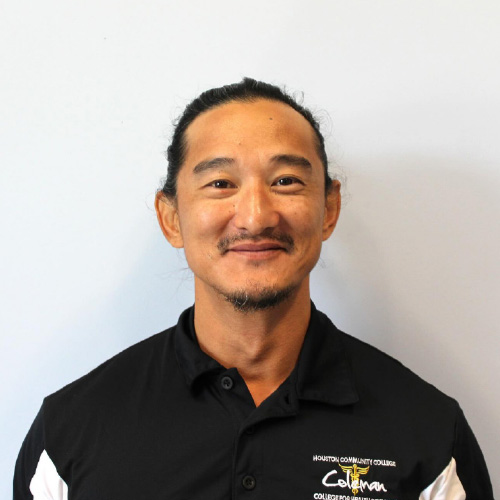
We’re excited to welcome Thomas Heitzenrater, PTA, to the First Colony Aquatic and Rehabilitation Center family! Thomas will be joining our Rosenberg facility—be sure to say hello and give him a warm welcome when you see him!
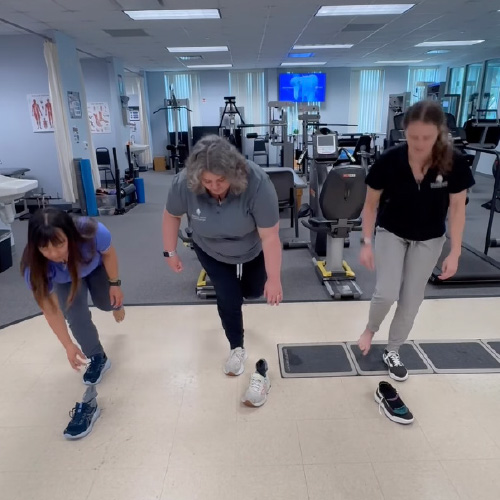
Fitness Challenge Video
Back with another fitness challenge! Who do you think will last the longest? Click the button to vote in the comments!
Follow Us on Social Media!

Share Your Success Story
Love your experience with First Colony Aquatic and Rehabilitation Center & Sports Therapy Center? Click the button to leave us a Google review—your feedback helps others find the care they need!
Thank you for subscribing to First Colony Aquatic and Rehabilitation Center & Sports Therapy Center
Refer a Friend

Our purpose at First Colony Aquatic and Rehabilitation Center & Sports Therapy Center is to leave a greater impact on the community around us. In order to achieve our goal we want to change as many lives as possible as we become a beacon of positivity in our community.