



Runners, Don’t Let Heel Pain Stop Your Stride
You just had a great run, except for one thing: a dull pain along your heel and lower calf. If you’re like most of the runners we see at First Colony Aquatic and Rehabilitation Center & Sports Therapy Center, you might ignore it and hope it goes away. Unfortunately, you do so at your own risk.
That pain is likely a sign of Achilles tendonitis, one of the more common overuse injuries among runners. It starts as a dull ache, but if left untreated, it can quickly progress to burning pain that can stop you in your tracks.
Fortunately, physical therapy is an effective way to treat Achilles tendonitis (and other types of tendonitis that affect runners). Our team will work closely with you to address the injury and prevent it from occurring again.
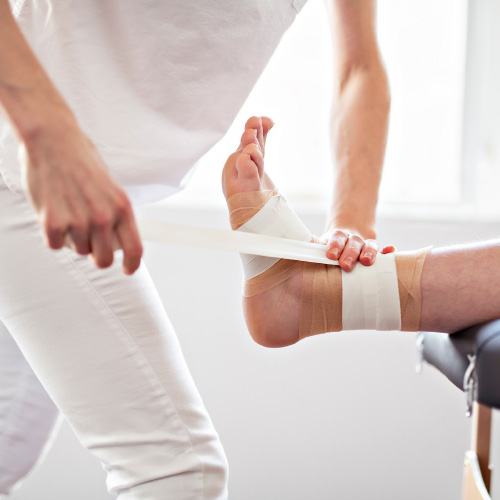
What Runners Need to Know About Tendonitis
Tendons are thick bands of tissue that connect muscles to bones. Tendonitis occurs when these tissues develop small tears and become inflamed.
Runners can be susceptible to tendonitis in their lower body for various reasons, including high mileage, running on rough or uneven terrain, poor footwear, or muscular imbalances. Pushing through the pain only makes it worse: when there’s not enough recovery time between workouts, the tendon doesn’t get a chance to repair itself.
This cycle of repeated strain and insufficient rest leads to ongoing inflammation, making it difficult to maintain training intensity or progress in your performance.
Achilles Tendonitis
Achilles tendonitis specifically affects the Achilles tendon, which connects the calf muscle to the heel bone. This tendon plays a critical role in walking, running, and jumping, and it’s easy for runners to strain it.
How Do I Know If It’s Achilles Tendonditis?
Look for these signs:
- Heel pain during or after running
- Stiffness in the lower leg, especially in the morning
- Swelling or tenderness near the heel
- A tight feeling in the calf that limits stride length
Other Types of Tendonitis
The Achilles tendon isn’t the only tendon that can develop tendonitis in runners. Make sure to watch out for:
- Patellar tendonitis, which affects the knee (usually just below the kneecap)
- Hamstring tendonitis, which affects the buttock or back of the thigh
- Peroneal and posterior tendonitis, both of which affect the feet and ankle
The bottom line? If you notice any dull, aching pain after your run, call us to get it checked out.
How We’ll Help You Find Relief from Achilles Tendonitis
Manual Therapy To Ease Pain and Improve Mobility
Our team uses targeted manual therapy techniques, such as soft tissue or joint mobilization, to reduce tightness in the calf and improve ankle motion. This helps reduce the strain on your tendon and prepares your body for treatment.
Therapeutic Exercises That Rebuild Strength and Control
Exercise is key to tendonitis recovery, but you need to perform the right ones. We use a structured progression of strengthening drills that help your tendon adapt without overloading it.
For example, for Achilles tendonitis, we might suggest:
- Eccentric calf strengthening, proven to promote tendon healing
- Balance and coordination drills to reduce impact stress
- Stretching techniques to improve flexibility and reduce pulling on the tendon
We’ll reintroduce running-specific drills as you improve to build tolerance for longer distances and faster paces.
Pool Therapy to Maintain Fitness Without Overloading the Tendon
If weight-bearing activity is too painful, we might incorporate pool therapy into your program. The water reduces the impact on your affected joint while allowing you to restore strength and mobility.
We go into more depth about the benefits of aquatic therapy further down the newsletter, including how it can help with conditioning. Be sure to check it out!
Blood Flow Restriction Therapy to Accelerate Muscle Recovery
In some cases, we incorporate blood flow restriction (BFR) therapy. BFR allows you to build strength using lighter loads, which helps the tendon heal without excessive stress. It’s especially effective in the early stages of rehab when pain limits exercise intensity.
Performance Rebuilding and A Plan to Return to Running
We also want to help you avoid future tendon-related injuries, so your program will include an analysis of your movement patterns, footwear, and other contributing factors. We’ll also provide clear, actionable recommendations for addressing these factors in the long term.
Ready to Run Without Pain Again?

Don’t let heel pain keep you from your run! At First Colony Aquatic and Rehabilitation Center & Sports Therapy Center, we work closely with runners to help them feel stronger, move better, and avoid setbacks.
If you’re ready to start, schedule an appointment with us to get back on track–without the pain.

Return to PT at First Colony!
Miss feeling your best? Come back to First Colony Aquatic and Rehabilitation Center & Sports Therapy Center and let us help you get there—schedule your appointment today!

With the Texas heat upon us, we want to go a little deeper into the benefits of taking your injury rehab into the pool. After all, who wouldn’t want to come out of their PT sessions feeling cool and refreshed?
But here’s the other big secret about aquatic therapy: it can be a powerful tool for building strength, boosting endurance, and maintaining conditioning, especially for runners.
Five Reasons Aquatic Therapy Is Key To Smart Recovery
1. It Reduces Stress on Joints and Tendons
Water supports your body weight, reducing the force on joints, bones, and tendons. Since running injuries typically affect weight-bearing joints (like your knees or ankles), aquatic therapy allows for greater movement with much less pain.
2. It Helps Maintain Cardiovascular Fitness
You don’t have to give up cardio while recovering. Pool-based workouts, such as deep water running or lap intervals, can keep your heart rate up without pounding the pavement. That way, you don’t lose conditioning. As a bonus? A water workout is a great way to stay cool and active in the summer swelter.
3. It Builds Strength
Water creates resistance in all directions, which means even simple movements in the water will get your muscles working. As a result, you can restore strength and mobility without worrying about further injury.
4. It Improves Balance and Stability
Aquatic therapy safely challenges your balance and helps to improve overall stability, helping you move confidently back into running.
5. It Provides a Safe Transition Back to Running
Pool therapy is a smart stepping stone back to land-based workouts, helping to prepare your body for running without the high impact of road training.
Let’s Jump In the Pool
Aquatic therapy at First Colony Aquatic and Rehabilitation Center & Sports Therapy Center isn’t like visiting your local rec center. Our PTs will guide you through water-based exercises tailored to your needs so you can resolve your injury and be ready to hit the trails once the weather cools down.
Schedule an appointment today to get started.
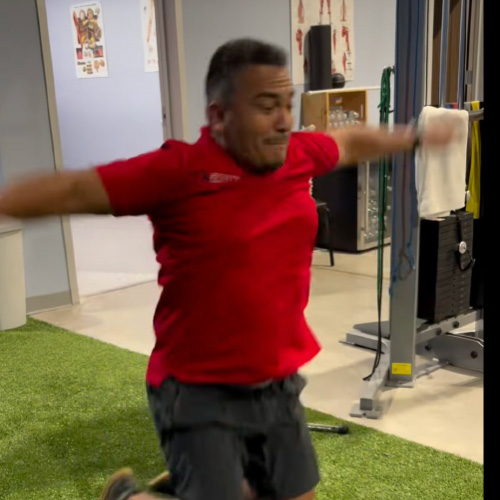
Knee to Feet Jump Challenge
Click the button below to see our Knee to Feet Jump Challenge with the Rosenberg Crew! Do you think you could complete this challenge?
Patient Success Story
“Sean was super nice and immediately knew what was wrong. His staff were caring, friendly, and always made me feel welcome! I highly recommend going here for anyone who is looking for a physical therapist to get better.“
– D.B.

Healthy Recipe
Texas Summer Watermelon Feta Salad
Beat the heat with this crisp and refreshing Summer Watermelon Feta Salad, the perfect balance of sweet, salty, and tangy flavors. It’s a light, vibrant dish that’s sure to steal the show at any summer gathering.
Ingredients:
- 4 cups watermelon, cubed and chilled
- 1 cup cucumber, thinly sliced
- ½ cup crumbled feta cheese
- ¼ cup red onion, thinly sliced
- 2 tablespoons fresh mint, chopped
- Juice of 1 lime
- 1 tablespoon olive oil
- Salt and pepper to taste
Optional Add-ins: - Grilled shrimp or chicken for protein
- Avocado slices for healthy fats
Directions:
In a large bowl, combine watermelon, cucumber, red onion, and mint. Drizzle with lime juice and olive oil. Toss gently to combine. Top with crumbled feta. Season with a pinch of salt and pepper. Chill for 10–15 minutes before serving.
Why It’s Great:
- Super hydrating for hot Texas days
- Packed with electrolytes and vitamins
- Quick and easy to make for BBQs, post-run recovery, or light lunches
Follow Us on Social Media!

Staff Spotlight: Randy S. Castillo, PTA
Randy has been with First Colony Aquatic and Rehab since the summer of 2011. However, prior to being a licensed employee, he had a clinical rotation with the clinic where he was able to learn under the supervision of Sean Hayes, PT. He received an associate’s degree in health science from Houston Community College and has 8 years of clinical experience. Randy enjoys working with patients with orthopedic injuries and neurological disorders. When he is not working Randy enjoys spending time with his friends and family. Randy is also a big Houston sports fan GO TEXANS!!! GO ASTROS!!! GO ROCKETS!!! GO DYNAMO!!!

Share Your Success Story
Love your experience with First Colony Aquatic and Rehabilitation Center & Sports Therapy Center? Click the button to leave us a Google review—your feedback helps others find the care they need!
Thank you for subscribing to First Colony Aquatic and Rehabilitation Center & Sports Therapy Center
Refer a Friend

Our purpose at First Colony Aquatic and Rehabilitation Center & Sports Therapy Center is to leave a greater impact on the community around us. In order to achieve our goal we want to change as many lives as possible as we become a beacon of positivity in our community.