

Stronger Knees, Stronger Season
How PT Protects Athletes This Fall
Fall sports like football, soccer, and volleyball all demand quick pivots, sprints, and powerful landings. While this might make for exciting gameplay, it also puts a lot of stress on the players’ knees.
Unfortunately, knee injuries are some of the most common reasons athletes find themselves sitting on the sidelines. Whether it’s a major trauma or an ignored overuse injury, knee problems can grind the fall sports season to a halt.
There is good news, though: physical therapy is a great way to strengthen your knees and protect them from injury. No matter what sport you play, the team at First Colony Aquatic and Rehabilitation Center & Sports Therapy Center is here to help!
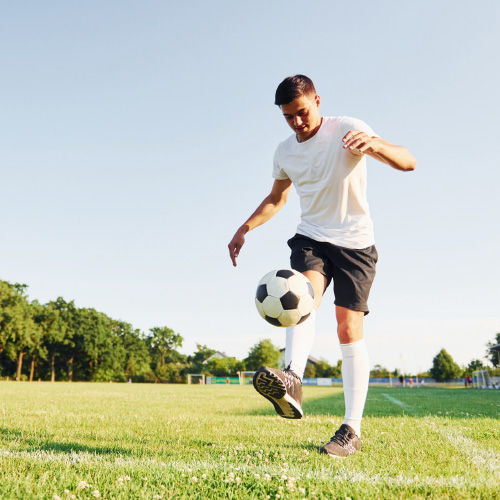
Why Knee Injuries Are So Common in Athletes
The knee is a hinge joint that connects the thigh bone to the shinbone and bears the body’s weight during movement. It’s supported and stabilized by four major ligaments, several tendons, and protective cartilage tissue.
However, these structures are put to the test every time you jump, spring, pivot, or perform similar movements common in fall sports. This stress can damage the joint tissues over time, setting you up for a major injury after an awkward movement.
Knee Injuries to Watch Out For
- ACL tears are significant injuries that often occur during sudden changes in direction or awkward landings.
- Meniscus injuries involve the cartilage that cushions the joint and may occur with twisting movements.
- Jumper’s knee (patellar tendonitis) results from repeated jumping or sprinting, leading to pain below the kneecap.
- Runner’s knee (patellafemoral pain syndrome) occurs when the kneecap is out of alignment, causing knee pain during movement.
Keeping Your Knee Health with Physical Therapy
At First Colony Aquatic and Rehabilitation Center & Sports Therapy Center, we address knee health in two ways: prevention and recovery. Ultimately, we want to help reduce injury risk, restore strength, and improve movement so you can keep performing at your best.
Prevention Strategies
Strength and Mobility Work
- Enhancing mobility and building muscle around the knee, especially in the quadriceps, hamstrings, and glutes, helps reduce strain on the ligaments and tendons, which protects your joint in the long term.
Neuromuscular Training
- This is a specialized type of training focused on reinforcing the connections between the brain and the muscles. It helps train you to land, cut, and pivot safely.
Balance and Stability Training
- Single-leg exercises and core stability drills enhance your body’s overall mobility, helping to prevent the awkward landings that can lead to major knee injuries.
Recovery and Rehabilitation
Unfortunately, sometimes knee injuries occur despite your best efforts–but when they do, our team is here to help guide you back to your sport with a structured plan that gradually and safely rebuilds strength and function. Here’s what you can expect:
Early-Stage PT
- Our first steps focus on reducing pain and swelling and restoring your range of motion.
Aquatic Therapy
- Water-based PT sessions allow you to move without placing full body weight on the knee, meaning you can reintroduce activity sooner while limiting pain.
Progressive Strengthening
- We’ll gradually incorporate strengthening exercises that target the quadriceps, hamstrings, calves, and hips to restore balance across the leg.
Functional Training
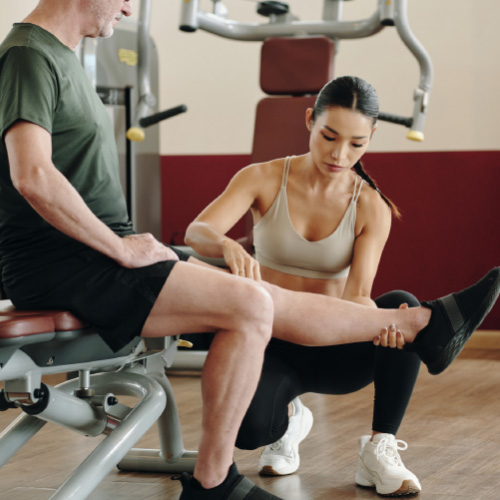
- As strength returns, you’ll practice sport-specific movements (such as jumping, cutting, sprinting) under the guidance of your PT.
Return-to-Sport Testing
- We’ll assess your strength, agility, and movement quality to ensure your knee can handle the demands of competition.
Personalized Treatment with First Colony Aquatic and Rehabilitation Center & Sports Therapy Center
We recommend all athletes work to lower their knee injury risk this fall with a few consistent habits:
- Warm up with dynamic movements like lunges, skips, and light jogging before practice and games.
- Include strength cross-training sessions 2–3 times weekly, focusing on the legs and core.
- Be on the lookout for early warning signs, such as persistent soreness, swelling, or instability. If you notice anything, get it addressed immediately.
- Before you get too far into the fall season, schedule an appointment with our team for a movement assessment to pinpoint any risk factors. That way, you can address them before they become a problem.
Don’t Let A Knee Injury Ruin Your Fall
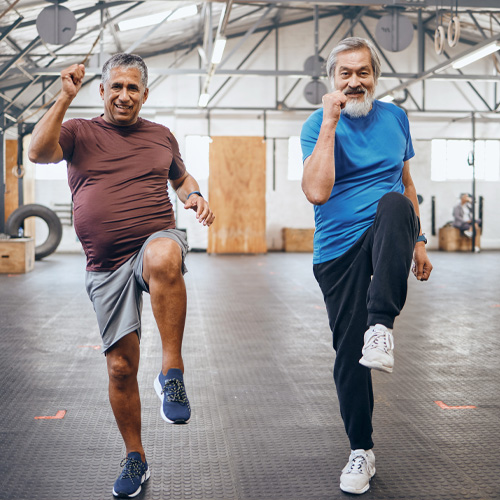
Strong knees are essential for a great sports season. With proper training, smart recovery, and professional guidance, you can protect your knees and stay active all season long.
Ready to take the next step? Contact the team at First Colony Aquatic and Rehabilitation Center & Sports Therapy Center to get started!

Return to PT at First Colony!
Miss feeling your best? Come back to First Colony Aquatic and Rehabilitation Center & Sports Therapy Center and let us help you get there—schedule your appointment today!

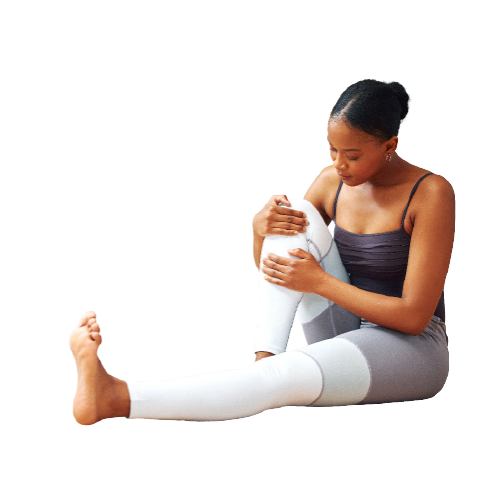
In our commitment to helping individuals effectively manage knee arthritis, alleviating swelling is a crucial aspect of the process. At First Colony Aquatic and Rehabilitation Center & Sports Therapy Center, our skilled physical therapists use proven techniques and strategies to reduce swelling in the knee, ultimately enhancing your comfort and mobility.
Let’s delve into these techniques in detail:
- Manual Lymphatic Drainage (MLD): MLD, a gentle massage technique, stimulates the lymphatic system to remove excess fluids and reduce knee swelling.
- Compression: By using compression garments, bandages, or specialized units to apply mechanical compression, our physical therapists can effectively prevent fluid buildup, promote circulation, and reduce swelling.
- Elevation: Proper elevation of the affected knee is a fundamental technique for reducing swelling. Physical therapists instruct patients to elevate the knee to at least 60 degrees (i.e., having your foot on the back of the couch or a physioball) to facilitate the drainage of excess fluid and the reduction of swelling.
- Active Motion: Physical therapists guide patients through controlled movements that promote fluid circulation within the knee, enhance joint mobility, and reduce swelling.
Reducing knee swelling is a critical component of effectively managing knee arthritis. Our dedicated physical therapists utilize a comprehensive range of proven techniques to help you alleviate swelling and improve your overall comfort and mobility. We are committed to assisting you in your journey toward a pain-free and active life.

Patient Success Story
“I had a painful injury that I was beginning to feel I’d have for life. But after physical therapy, both in the pool and on machines, and 3 needling appointments, I’m 90% improved. Every physical therapist there has been kind, understanding, and helpful. I highly recommend this place for all physical therapy. I like it because it’s smaller and seems more intimate than some of the larger, hospital sponsored ones I’ve been to.”
-Yaffa.
Join our FCAR – Total Knee Replacement
Group on Facebook
If you’re a current or former patient who has undergone a Total Knee Replacement (TKR), we’d love for you to join our Facebook group! It’s a welcoming space to share experiences, encouragement, and helpful advice with others on the same journey. Together, we can stay positive, motivated, and moving forward.

Healthy Recipe
Apple Cider Pork Chops
These Apple Cider Pork Chops are tender, juicy, and infused with the perfect balance of sweet and savory fall flavors. It’s a cozy, comforting dish you’ll love serving for a weeknight dinner or a festive autumn gathering.
Ingredients:
- 2 tablespoons olive oil
- 6 boneless pork loin chops (6 to 8 ounces each), about 3/4 inch thick
- 1 garlic clove, minced
- 1 tablespoon Dijon mustard
- 1 teaspoon honey
- 1/2 teaspoon apple pie spice
- 1/2 teaspoon coarsely ground pepper
- 1/4 teaspoon dried thyme
- 1/4 teaspoon salt
- 1 cup apple cider
- 1 tablespoon plus 1 teaspoon cornstarch
- 2 tablespoons water
- Minced fresh parsley
Directions:
In a large skillet, heat olive oil over medium heat. Brown pork chops on both sides.
Meanwhile, in a small bowl, combine next 7 ingredients; stir in apple cider. Pour over pork chops. Reduce heat to medium-low; cook, covered, until a thermometer inserted into chops reads 145°, 4-5 minutes. Remove chops from skillet; let stand for 5 minutes.
In a small bowl, mix cornstarch and water until smooth; stir into cider mixture in skillet. Return to a boil, stirring constantly; cook and stir until thickened, 1-2 minutes. Pour over chops; sprinkle with fresh parsley.
Staff Spotlight:
Patricia Perez
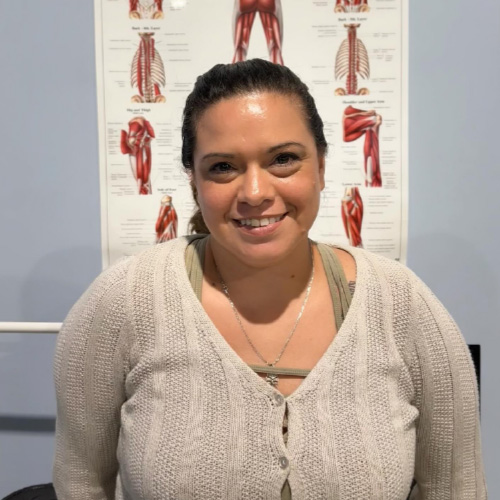
Welcome to our FCAR team, Patricia Perez! Patricia is part of our front office staff in Rosenberg. Give her a warm welcome when you see her!
Follow Us on Social Media!

Share Your Success Story
Love your experience with First Colony Aquatic and Rehabilitation Center & Sports Therapy Center? Click the button to leave us a Google review—your feedback helps others find the care they need!
Thank you for subscribing to First Colony Aquatic and Rehabilitation Center & Sports Therapy Center
Refer a Friend

Our purpose at First Colony Aquatic and Rehabilitation Center & Sports Therapy Center is to leave a greater impact on the community around us. In order to achieve our goal we want to change as many lives as possible as we become a beacon of positivity in our community.