
Elevate Your Game: Manual Therapy Techniques for Sports Performance
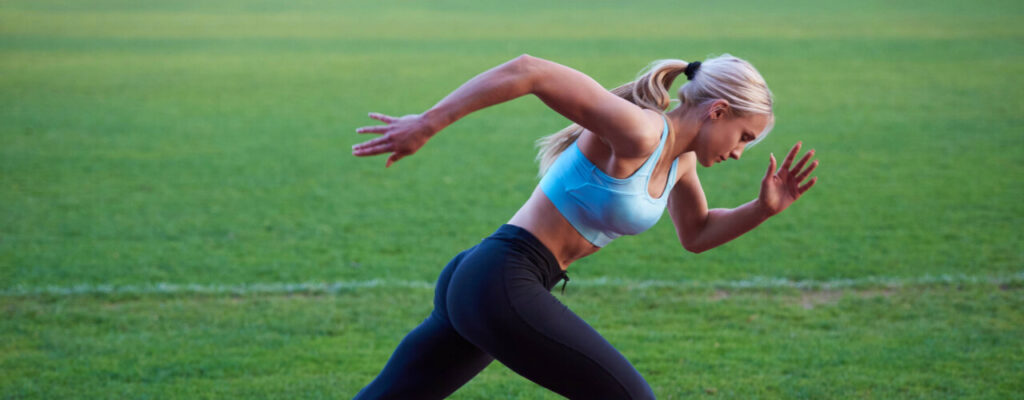

Athletes are always looking for ways to gain a competitive edge, and one often overlooked tool is manual therapy. Whether you’re a runner, a soccer player, or involved in high-intensity sports, maintaining peak physical condition is key to success. Manual therapy techniques, such as soft tissue manipulation and joint mobilization, aid in recovery and enhance performance.
Explore how these techniques can transform your sports performance and propel you towards victory.
Understanding Sports Performance
For athletes who aspire to perform at their best, understanding the underlying causes of suboptimal performance is crucial. These causes can manifest in various ways, hindering athletes from reaching their full potential on the field, court, or track.
Causes of Sports Performance Hindrances
Muscular Imbalances
- Imbalances occur when certain muscle groups are stronger or weaker than their counterparts. These imbalances can lead to altered movement patterns, compensations, and increased risk of injury. For example, tight hip flexors coupled with weak gluteal muscles can contribute to lower back pain and reduced power output during activities such as sprinting or jumping.
Poor Biomechanics
- Biomechanics refers to how the body moves and interacts with its environment during physical activity. Poor biomechanics, such as faulty movement patterns or improper technique, can place excessive stress on joints, muscles, and soft tissues, leading to injury and decreased performance.
Inadequate Conditioning
- Physical conditioning encompasses cardiovascular fitness, muscular strength, endurance, and flexibility, all essential for optimal sports performance. Athletes who neglect specific parts of conditioning may experience fatigue, reduced stamina, and diminished performance capacity.
Overtraining
- While regular exercise is essential for athletic development, excessive training without adequate rest and recovery can negatively impact performance. Overtraining syndrome occurs when athletes push their bodies beyond their limits, leading to fatigue, decreased motivation, and increased susceptibility to injury.
Lack of Flexibility
- Flexibility refers to the range of motion available at a joint or group of joints and plays a crucial role in athletic performance. Limited flexibility can restrict movement patterns, impair biomechanics, and increase the risk of injury. Athletes with tight muscles and restricted joint mobility may experience decreased agility, impaired coordination, and reduced power generation during explosive movements like jumping or sprinting.
Understanding these underlying causes of sports performance issues is essential for athletes and coaches alike in developing targeted interventions and training strategies to optimize performance and mitigate injury risk. By addressing these factors through comprehensive training programs, manual therapy interventions, and holistic approaches, athletes can enhance their performance, achieve their goals, and enjoy sustained success in their respective sports.
Enhancing Athletic Performance: How Manual Therapy Can Propel You Forward
Manual therapy techniques offer a range of benefits that can significantly enhance sports performance and support athletes in achieving their goals.
Manual Therapy Interventions for Sports Performance
Improved Joint Mobility and Range of Motion
- Manual therapy techniques aim to restore optimal joint mobility and flexibility. By targeting restrictions in the joints and surrounding soft tissues, manual therapists can alleviate tightness, stiffness, and adhesions, helping enhance an athlete’s range of motion. Increased joint mobility allows for more efficient movement patterns, facilitating better biomechanics and reducing the risk of injury during sports activities.
Enhanced Muscle Function and Performance
- Manual therapy interventions can help release muscle tightness, improve blood flow, and promote muscle relaxation. This results in enhanced muscle flexibility, contractility, and overall performance capacity, allowing athletes to generate more power, speed, and endurance during sports-specific movements.
Pain Reduction and Management
- Chronic pain or discomfort can significantly impair an athlete’s performance and quality of life. Manual therapy techniques can help alleviate pain, inflammation, and discomfort associated with sports-related injuries or overuse conditions. By targeting pain receptors, reducing muscle tension, and promoting tissue healing, manual therapy interventions facilitate pain relief, allowing athletes to train and compete more effectively.
Enhanced Recovery and Injury Prevention
- Manual therapy helps promote recovery, injury prevention, and optimal athletic performance. Manual therapists can help athletes recover more quickly from training sessions, competitions, or injuries by addressing musculoskeletal imbalances, correcting faulty movement patterns, and reducing tissue tension.
Improved Athletic Recovery and Performance Optimization
- Manual therapy interventions can be integrated into comprehensive recovery and performance optimization programs to support athletes in achieving their full potential. By addressing biomechanical imbalances, restoring optimal movement patterns, and promoting tissue health, manual therapists can help athletes recover faster, perform better, and minimize the risk of future injuries.
Maximizing Your Potential with Manual Therapy at First Colony Aquatic and Rehabilitation Center
Manual therapy techniques offer a powerful tool for athletes seeking to elevate their game and reach new heights of performance. Don’t let pain, stiffness, or limitations hold you back. Take the first step towards optimizing your sports performance and achieving your goals.
Call our team at First Colony Aquatic and Rehabilitation Center in Rosenburg, TX, and Sugar Land, TX to learn more about manual therapy techniques and discover if this treatment is for you. Your journey to peak performance starts here!