
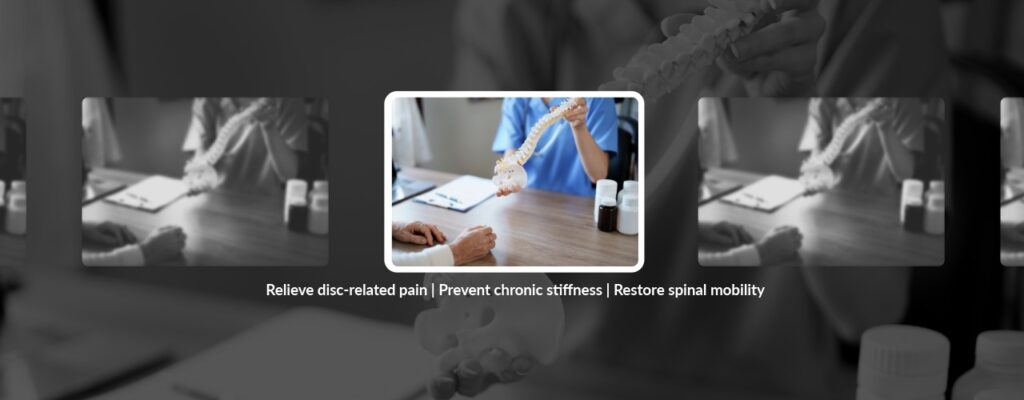

Back pain can come from many sources, but one of the most common is degenerative disc disease. This condition affects the discs that sit between the bones of the spine. These discs act as cushions, helping absorb shock during movement. Over time, they can lose water content and elasticity, making them thinner and less flexible.
When this happens, the bones and nerves in the spine experience more friction and pressure, which can lead to back pain from degenerative disc disease. While the name may sound alarming, this is not an actual disease. It’s a natural part of aging, but the pain it causes doesn’t have to be permanent.
Why Degenerative Disc Changes Can Hurt
When discs weaken or shrink, nearby spinal joints and nerves can become irritated. The body may respond by creating inflammation or small bone spurs, which can further increase discomfort. Pain may appear in the lower back, neck, or even radiate down the legs if the nerves are involved.
These changes don’t always cause pain, but when they do, the symptoms often worsen with sitting, bending, or twisting. Standing or walking may feel slightly better because these positions reduce pressure on the discs.
Common Signs of Back Pain from Degenerative Disc Disease
- Persistent, dull ache in the lower back or neck
- Sharp pain during certain movements, such as lifting or bending
- Numbness, tingling, or weakness in the legs or arms
- Stiffness after long periods of rest
- Pain that flares up during physical activity but eases with movement
Recognizing these patterns early helps our therapists at First Colony Aquatic and Rehabilitation Center design a treatment plan that targets both the pain and its underlying causes.
How Our Therapists Help You Manage Back Pain
Many people believe degenerative disc disease will automatically lead to permanent pain. Fortunately, that isn’t true. With guided physical therapy, most patients can regain flexibility, reduce inflammation, and move comfortably again. The therapists at First Colony Aquatic and Rehabilitation Center specialize in techniques that support healing and restore spinal function without relying on medication or surgery.
What to Expect During Treatment
At First Colony Aquatic and Rehabilitation Center, your first session includes a detailed evaluation of your posture, movement, and strength. This helps identify which spinal segments and muscles are contributing to the discomfort. From there, our therapists create a plan tailored to your specific needs that may include:
- Targeted strengthening exercises to support the spine and improve core stability
- Stretching routines that restore mobility and reduce stiffness
- Manual therapy to ease pressure on the affected discs and surrounding muscles
- Postural training to improve alignment and reduce daily strain
- Education on safe movement patterns and activity modifications
This combination not only addresses back pain from degenerative disc disease but also teaches long-term strategies for maintaining spinal health.
The Role of Movement in Healing
It’s common for people with back pain to rest too much, hoping it will ease the discomfort. However, prolonged inactivity can actually weaken muscles that protect the spine. Movement keeps blood flowing to the discs and surrounding tissues, promoting healing and preventing stiffness.
Our therapists at First Colony Aquatic and Rehabilitation Center guide patients through safe, progressive exercises that strengthen key muscle groups while protecting the spine. Controlled motion improves endurance, stability, and confidence in daily movement.
Everyday Habits That Support Recovery
Alongside physical therapy, a few simple lifestyle adjustments can help manage ongoing discomfort.
- Maintain good posture when sitting or standing
- Use a supportive chair or lumbar cushion to reduce pressure on the lower back
- Stay active with low-impact exercises like walking, swimming, or gentle yoga
- Avoid smoking, which can slow disc healing by limiting blood flow
- Keep a healthy weight to reduce stress on spinal structures
Consistent care and small daily changes can significantly reduce back pain from degenerative disc disease over time.
When to Reach Out for Help
If your pain has lasted more than a few weeks or limits your normal activities, it’s time to see a professional. The team at First Colony Aquatic and Rehabilitation Center can determine whether your pain is related to degenerative disc changes and help you start a treatment plan that restores your comfort and mobility.
Our therapists focus on improving movement, reducing inflammation, and giving you the tools to manage your back health independently.
Take the First Step Toward Relief
Chronic pain doesn’t have to control your life. Understanding the source of your back pain from degenerative disc disease is the first step toward relief. With the right care, you can protect your spine and regain confidence in your movement.
Contact First Colony Aquatic and Rehabilitation Center in today to schedule your appointment and learn how our experienced therapists can help you live and move with greater comfort.