
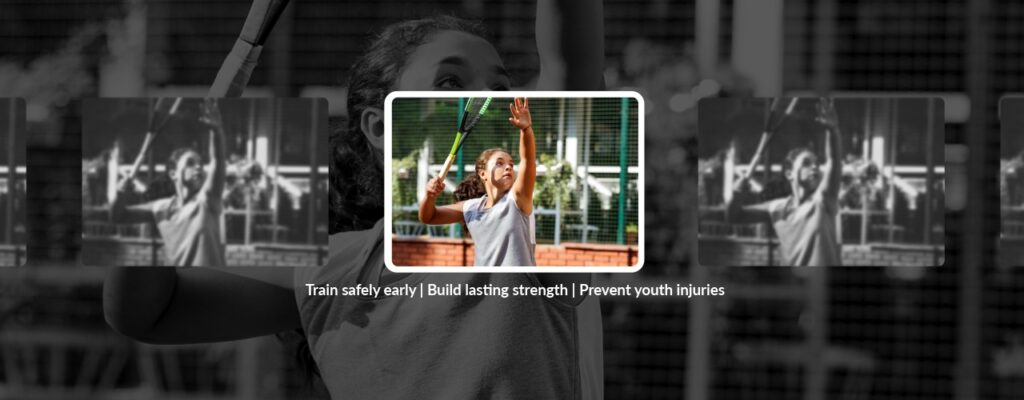

Youth sports can be an incredible experience for kids, teaching discipline, teamwork, and confidence. Yet as competition levels rise, young athletes face more pressure to perform at higher intensities, often before their bodies are ready. That’s where sports performance for youth athletes makes a difference. Safe, structured training guided by the team at First Colony Aquatic and Rehabilitation Center in helps kids build strength and coordination while reducing their risk of injury.
Our approach focuses on balance so athletes can perform better now and stay healthy for years to come.
Understanding Sports Performance for Youth Athletes
Sports performance training isn’t just about running faster or lifting heavier weights. It’s a science-based method for improving movement, strength, and athletic control appropriate for a child’s growth stage.
Today’s youth athletes often practice year-round, juggling multiple teams or club sports. These demands can lead to fatigue, stress injuries, or burnout without proper conditioning and recovery.
Our youth sports performance therapy programs help identify movement patterns or weaknesses before they cause problems. Addressing them early ensures athletes develop healthy habits that support long-term success.
Common Issues We See in Young Athletes
- Shin splints and stress fractures
- Patellar (kneecap) pain
- Shoulder and elbow injuries in throwing sports
- Muscle tightness and joint stiffness
- Decreased coordination from fatigue
Core Goals of Youth Performance Therapy
Our team designs programs that match each athlete’s age, sport, and skill level. The goal is to enhance physical ability safely, without overstressing developing bones and joints. By focusing on quality movement first, kids gain confidence and reduce the likelihood of overuse injuries common in early specialization.
Some of the areas we focus on include:
- Improving balance, agility, and coordination
- Strengthening muscles and stabilizing joints
- Enhancing movement mechanics and posture
- Building endurance and mobility
- Teaching proper warm-up, cool-down, and recovery habits
How Sports Performance Therapy Helps Youth Athletes
1. Individualized Assessments
We start by evaluating each athlete’s movement, strength, and muscle control. This assessment helps identify imbalance, weakness, or limited range of motion that could increase injury risk.
2. Strength and Stability Training
A safe sports performance for youth athletes program builds foundational strength in the hips, core, and shoulders. These areas are critical for power and control during running, jumping, and throwing.
3. Movement and Agility Drills
We guide athletes through controlled agility and coordination exercises that teach efficient body mechanics. This not only improves athletic skill but also helps prevent overcompensation and strain.
4. Injury Prevention Education
Young athletes (and their parents) learn the importance of rest, hydration, and proper warm-up techniques. Education ensures healthy training routines that support development rather than hinder it.
5. Recovery and Load Management
Rest and recovery are built into every plan. Therapists teach how to recognize early signs of fatigue or pain so that small issues don’t become major injuries.
Setting the Foundation for Lifelong Health
Sports performance therapy teaches young athletes how to move efficiently and take care of their bodies. By focusing on skill, strength, and safety together, they build a foundation that supports lifelong fitness and athletic success.
At First Colony Aquatic and Rehabilitation Center, our licensed physical therapists specialize in sports performance for youth athletes, providing age-appropriate programs that improve coordination, strength, and confidence. Schedule an evaluation and help your athlete reach their full potential—safely, effectively, and with long-term health in mind.