
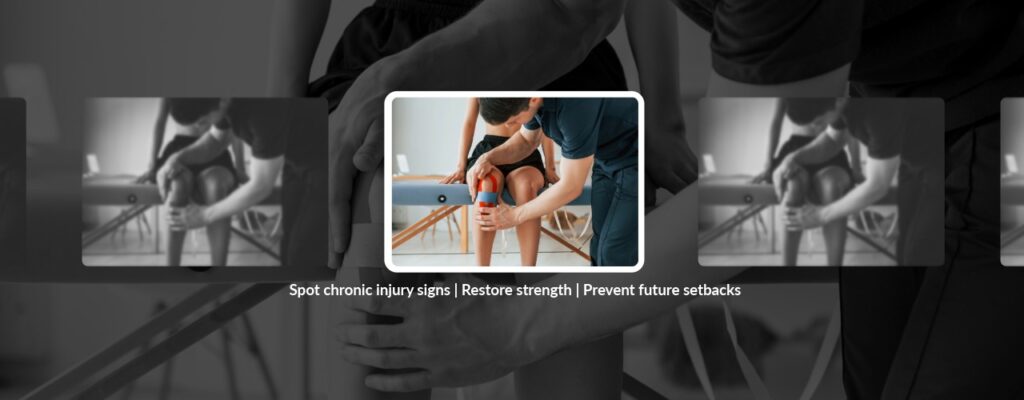

Most athletes and active adults experience an injury at some point, whether it’s a sprained ankle, pulled muscle, or sore shoulder. While many heal quickly, others linger for months or even years. When pain or limited movement lasts longer than expected, it’s often labeled as chronic sports injuries.
These long-term problems can make training frustrating and limit performance. Understanding why certain injuries become chronic helps you prevent setbacks and recover more effectively.
Understanding How Sports Injuries Turn Chronic
Step 1: Recognize the Common Causes of Chronic Sports Injuries
The body heals best when it gets the right balance of rest, movement, and strength training. However, when one of these factors is missing, recovery can stall. Frequent causes include:
- Returning to activity too soon before tissues have healed fully
- Ignoring early pain signals and continuing to train through discomfort
- Muscle imbalances that put extra stress on joints
- Poor technique or posture during repetitive activities
- Inadequate warm-up or cool-down routines
Each of these factors can turn a short-term problem into a lasting issue. Our therapists at First Colony Aquatic and Rehabilitation Center help patients identify and correct these patterns before they cause more serious damage.
Step 2: Identify the Warning Signs of a Chronic Issue
Chronic injuries often develop gradually. Instead of sudden pain, you might notice recurring soreness or stiffness that doesn’t go away. Here are some early red flags to watch out for:
- Pain that returns during the same activity
- Swelling that persists for more than a week
- Weakness or instability in the same joint
- Limited range of motion
- Discomfort that affects sleep or daily tasks
If these symptoms sound familiar, your body may be struggling to recover properly. Our therapists at First Colony Aquatic and Rehabilitation Center can perform a detailed movement assessment to find out what’s keeping your injury from healing.
Step 3: Understand What Happens in the Body
When an injury becomes chronic, the body often compensates by moving differently. Muscles tighten in some areas and weaken in others. Over time, these adaptations can change alignment and increase strain on joints and tissues.
Without intervention, inflammation and scar tissue can build up, making the area stiffer and more painful. That’s why addressing chronic sports injuries early is crucial to restoring strength and preventing reinjury.
Step 4: Learn How Manual Therapy and Exercise Help
Physical therapy provides one of the most effective ways to manage and recover from chronic sports injuries. At First Colony Aquatic and Rehabilitation Center, our therapists use a combination of hands-on manual therapy and customized exercise programs to restore movement and strength. Common treatment strategies include:
Manual Therapy
- Reduces stiffness, improves blood flow, and promotes tissue healing
Targeted Strengthening
- Rebuilds support around injured joints
Flexibility Training
- Restores balance between opposing muscle groups
Postural and Technique Training
- Improves form and reduces reinjury risk
Education
- Helps athletes understand how to train safely moving forward
These methods work together to address both pain and performance limitations.
Step 5: Take Preventive Action to Stay Healthy
Once the pain subsides, prevention becomes the next goal. Even after recovery, the body needs ongoing care to handle physical stress safely. Here are some simple prevention tips:
- Warm up with dynamic stretches before activity
- Gradually increase training intensity
- Focus on cross-training to avoid repetitive strain
- Maintain a regular recovery routine, including rest and hydration
- Listen to your body and address small pains quickly
The therapists at First Colony Aquatic and Rehabilitation Center teach patients how to apply these principles to stay strong, mobile, and pain-free long-term.
Step 6: Know When to Get Professional Help
If your pain returns every time you train or hasn’t improved with rest, it’s time to seek help. Chronic sports injuries rarely resolve on their own. Early professional evaluation can uncover movement patterns or weaknesses that keep the body from healing.
Our therapists at First Colony Aquatic and Rehabilitation Center use evidence-based techniques and personalized treatment plans to restore balance and function. With guided care, athletes often return to their favorite activities stronger and more confident than before.
Take Charge of Your Recovery
Sports should challenge your body, not control your life. If you’re dealing with ongoing soreness or stiffness that won’t go away, the right treatment can help. The team at First Colony Aquatic and Rehabilitation Center specializes in identifying the root causes of chronic sports injuries and creating custom programs that promote lasting recovery.
Call First Colony Aquatic and Rehabilitation Center in today to schedule an appointment. Our experienced therapists will help you rebuild strength, improve performance, and enjoy your sport again without lingering pain holding you back.